
Watch Winders: The Complete 2026 Buying Guide
An automatic watch is a small mechanical marvel: hundreds of components working in concert, powered entirely by the motion of your wrist. Leave it in a drawer for a few days, though, and it stops - along with its date, day, and moonphase displays. A quality watch winder solves this elegantly, keeping your automatics wound, accurate, and ready to wear while displaying them the way fine timepieces deserve. This guide explains how winders work, which specifications matter, how much capacity you actually need, and which models from the Wclocks watch winder collection suit different collections and budgets.

Why Your Automatic Watches Need a Watch Winder
Most collectors rotate between several watches. The one on your wrist stays wound; the others wind down within 40 to 80 hours. Each time a watch stops, you reset the time and date before wearing it - a minor ritual for a simple three-hander, a tedious one for an annual calendar or moonphase, where mis-setting can require a full cycle through the months.
A winder rotates the watch at gentle, programmed intervals so the rotor keeps the mainspring at optimal tension. The practical benefits are real: complications stay set, lubricants circulate as the movement was designed to run, and your watch is always ready the moment you reach for it. Just as important for many owners, a well-made winder is a display piece - your timepieces sit behind glass under soft rotation rather than lying face-down in a drawer.
How Watch Winders Work: TPD, Rotation, and Motors
Turns per day (TPD)
TPD is the number of full rotations the winder completes in 24 hours. Most automatic movements are happiest between 650 and 950 TPD; a quality winder lets you adjust this in steps. Too few turns and the watch slowly winds down; the right setting keeps the mainspring topped up without overwork. Modern movements have slipping clutches that prevent overwinding, so the risk of a good winder damaging a watch is essentially a myth - more on that in the FAQ below.
Rotation direction
Rotors wind clockwise, counterclockwise, or bidirectionally depending on the movement. A proper winder offers all three modes. If you are unsure what your watch needs, bidirectional is the safe universal choice.
Motor quality and rest cycles
The motor is where budget winders cut corners. Look for quiet operation (important if the winder lives in a bedroom) and programmed rest phases - short rotation bursts followed by pauses, mimicking natural wrist wear rather than spinning continuously. Every winder in the Wclocks range uses quiet motors with intermittent cycles designed for daily, long-term use.
How Much Capacity Do You Need?
Buy for the collection you are building, not just the one you own today.
One or two automatics: a single or dual winder keeps things simple and compact - ideal for a nightstand or desk.
Three to six watches: combination units shine here. Models with winding stations plus storage slots let you keep automatics running while quartz pieces and straps rest alongside.
Serious collections: rotating towers and safe-style cabinets wind six, nine, twelve, or more watches at once, and double as furniture-grade display pieces for an office or dressing room.
Materials and Build Quality: What Separates Premium from Ordinary
A winder holds objects worth many times its own price, so build quality is not a place to economize. Look for a lacquered wood, leather-wrapped, or carbon-fiber-finish cabinet with tight seams; a glass door to keep dust off the dials while keeping watches visible; and firm, adjustable cushions that grip both bracelets and straps without stretching them. Interior LED lighting turns a storage box into a display case, and lockable doors add a meaningful layer of security for higher-value collections. Fingerprint or key locks on safe-style models keep curious hands away without hiding your watches in a bank box.
Where to Place a Watch Winder
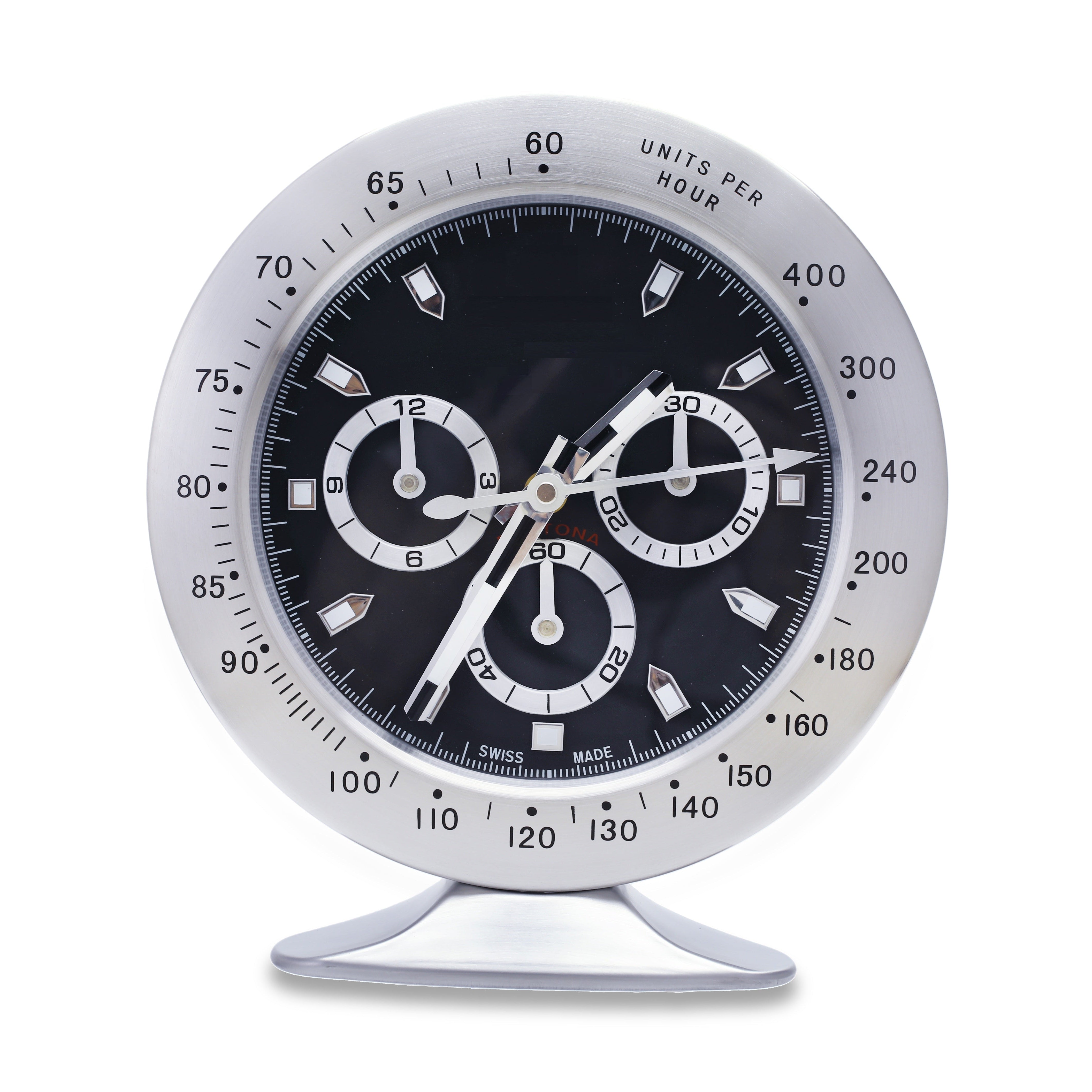
Winders reward thoughtful placement. On a desk or credenza, a single or dual unit reads as an executive accessory alongside a fine desk clock. In a walk-in closet or dressing room, a mid-size cabinet keeps the morning routine efficient. A rotating tower in a study or den becomes a conversation piece in its own right. Keep any winder away from direct sunlight, radiators, and magnetic sources such as speakers, and leave clearance for the door to open fully.
Ready to keep every watch wound and on display? Explore the full range of single, dual, and multi-watch winders.
Shop Watch WindersEight Watch Winders Worth Your Consideration
Every model below is in stock and ships from Wclocks. Prices in USD.

W-Winder Lux Single - 1-Watch Automatic Winder
The ideal first winder. A compact premium display case that keeps your daily automatic wound and dust-free on a nightstand or desk.
W-Winder Pro Dual - 2-Watch Winder
Two independent winding stations in a refined cabinet, available in black or green. Perfect for the collector who alternates between two automatics.

W-Winder Lux - 2+3 Winder with Storage
Two winding stations plus three cushioned storage slots. One cabinet handles a mixed collection of automatics and quartz pieces.

Dual-Layer Prestige - 2+8 Cabinet Winder
Exceptional value: two winders above a full storage drawer for eight more watches. Offered in black, brown, or carbon-fiber finish.

W-Winder Guard Duo - 2+4 Safe + Display
Winding meets security: two stations and four storage slots behind a lockable, safe-style door. Peace of mind without hiding your collection.

W-Spinner - 4-Watch Rotating Display
A rotating carousel that winds four automatics while presenting them like a boutique vitrine. A statement piece for study or office.

W-Spinner - 9-Watch Rotating Tower
Nine winding stations in a vertical rotating tower. Built for the established collector who wants every automatic running and on show.

W-Winder Guard - 8+8 Safe + Display
The flagship: eight winding stations and eight storage slots inside a secure safe-style cabinet. A complete home for a serious collection.
Quick Comparison
| Model | Winding Slots | Storage Slots | Best For | Price |
|---|---|---|---|---|
| W-Winder Lux Single | 1 | - | First automatic, nightstand or desk | $259 |
| W-Winder Lux 2+3 | 2 | 3 | Small mixed collection | $319 |
| W-Winder Guard Duo 2+4 | 2 | 4 | Security-minded owners | $469 |
| W-Spinner 9-Watch Tower | 9 | - | Large collections, showcase display | $1,099 |
Watch Winder FAQ
Can a watch winder damage my watch?
Not a properly built one. Modern automatic movements include a slipping clutch that disengages once the mainspring is fully wound, so a winder running at a sensible TPD with rest cycles cannot overwind the watch. The cautions you may have read online concern cheap units with continuous rotation and no rest phases.
What TPD setting should I use?
Start at 650-750 TPD in bidirectional mode. If the watch loses power reserve over a few days, step up gradually. Most movements are fully maintained below 950 TPD.
Should a winder run around the clock?
Quality winders manage this for you: they rotate in short programmed bursts with long pauses, so leaving the winder on continuously is exactly how it is designed to operate.
Can I put a quartz watch in a winder?
A winder does nothing for a battery-powered quartz movement, but it does no harm either. Combination models with dedicated storage slots are the better home for quartz pieces - wound watches spin, the rest sit securely on cushions.
Is a lockable winder worth the extra cost?
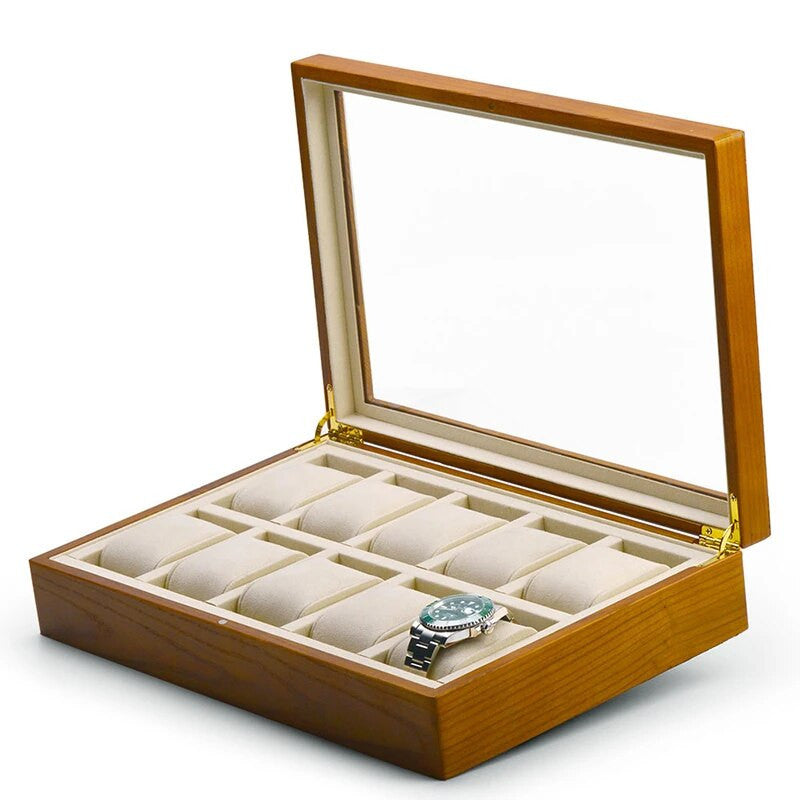
If your collection's value has grown past what you would leave on an open shelf, yes. Safe-style models like the W-Winder Guard series combine winding, display, and a locking door in one cabinet - more convenient than a safe and far kinder to your watches than a drawer. For unworn pieces, a dedicated watch box is the natural companion.
From a single bedside winder to a 24-watch rotating tower, the Wclocks collection covers every stage of a collector's journey - with quiet motors, adjustable rotation, and cabinet-grade finishes throughout.
Explore the Watch Winder Collection